

What You Need to Know About an Electric Heater
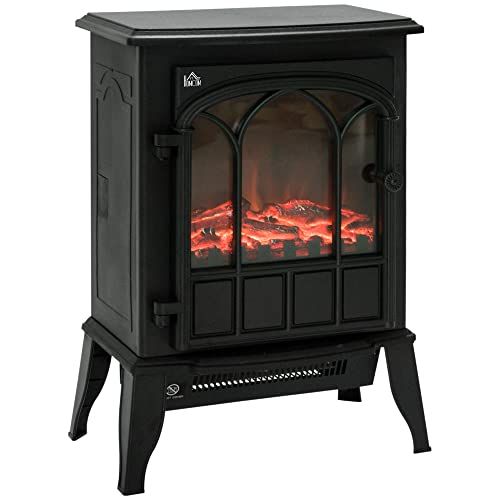
Electric heaters can provide warm air quickly when needed. They are usually designed for a certain size of room and include features such as thermostats, overheat switches and timers.
An electric heater converts electrical energy into heating in joules. The heating element uses nichrome wire supported by ceramic insulation.
Resistor
The resistor is a component that reduces voltage and absorbs some of it in the form of heat. It does this by converting electrical energy into thermal energy, wasting only a fraction of a watt. This is a standard method used in electric light bulbs as well as heating elements.
The thickness, material and other characteristics of the resistor determine its resistance. It is important to keep in mind that the higher the resistor's resistance, the greater power it can release. This is because higher currents lead to more electrons in the resistor, and more electrons mean more collisions between them. The higher the temperature, the more collisions take place.
In general resistors have an upper limit on the power that they can safely dissipate, which is usually somewhere between 1/8W (0.125W) and 1W. Resistors with a high power rating can be identified by their larger packaging. The power rating of a resistor could be determined from the packaging it is packaged in, or by comparing its physical dimension to other resistors that have a known power rating.
Electric heaters are special kinds of power resistors designed to convert electrical energy into warmth. They can produce radiant heat or convective heating by emitting infrared rays. They are typically used in conjunction together with fans to increase the heating efficiency.
If the maximum power rating of a resistor is exceeded, it will heat up. This could cause damage to nearby components. In extreme instances the resistor can reach a point where it self-ignites, causing the fire to spread. In order to prevent this from happening, a limiting resistor is required to be incorporated into the circuit.
Heater resistors are tagged with a color code that indicates its value, along with other information, like manufacturing accuracy and temperature coefficient. For instance, a six-banded resistor will have the first five bands that will tell you its digits, and then the sixth band tells you its multiplier and tolerance. If you'd like to calculate the value of your resistor, there are plenty of online calculators that can be used.
Coil
Electric heating coils are at the central component of any device powered by electricity which makes use of heat to heat liquids or objects. These heaters use the process of conduction to convert electricity into heat. They can be made in a variety shapes depending on their purpose. electric stove fireplaces are capable of generating a significant amount of heat in a short amount of time which makes them ideal for applications that require quick temperature changes or high levels of thermal efficiency.
The core of an electrical heating coil is an intricately twisted structure made composed of wires made from metal. This tightly packed structure allows for the most wires to be contained in a small area, improving conductivity. The coil can be protected in a variety ways, based on the use. Insulation for electric heaters that is used for liquid immersion could be made from a non-flammable polyvinylchloride (PVC), polyester or polyimide. A coil used in cryogenics will typically be insulated with molybdenum diilicide.
These materials are not only resistant to oxidation and corrosion they also provide protection from the elements. This makes them ideal for a range of industrial applications. Stainless steel is the most common element for a heater coil, but nickel-chrome and iron-chromium-aluminum alloys are also commonly used. These alloys offer a great combination of cost, corrosion resistance and resistance to oxidation.
Metals used in heating elements are exposed to high temperatures and harsh environments. They must be protected. These protections include coatings sealants, improved drainage and ventilation, and regular inspections and maintenance. Moisture intrusion is a different issue that needs to be addressed. It can cause damage to heater's internal components, and shorten its life span.
Coils are also used in other devices, such as ovens, water tanks and furnaces. They can be formed into various shapes to fit the application and are typically printed on substrates like aluminum 6061-T6, muscovite, Phlogopite mica sheets, or conductive plastic. They can be coated with a wide variety of substances to improve their appearance and performance, such as gold, silver, and nickel.
Thermostat
You may not give it much thought, but your thermostat is an essential element of your home's comfort system. The main function of the thermostat is to turn the heater ON and OFF to ensure that it is able to maintain your preferred temperature setting. It also has the ability to adjust the temperature according to your routine, which is a big plus for those with unpredictable schedules.
The most commonly used type of thermostat is the electronic, digital variety which you can program with the smartphone app or computer interface. Certain models have an adaptive feature that can be adapted to your lifestyle. You'll never have to worry about when you'll be home for dinner.
In the old thermostats that were not digital the electrical circuit would be controlled by the bimetal coil or band that would expand or shrink based on the temperature. When the strip expanded or contracted the mercury switch tipped and activated the relay, which turned on the heating. When the strip was cool it swung backwards, and snapped away from its original position. This shut off the heating.
Modern electric thermostats are more precise than electromechanical ones, which use a temperature detector and small relay. It is easy to comprehend the workings of an electromechanical thermostat by examining its parts.
A thermometer with mercury in it is among the most essential elements. When you turn the lever on the thermostat up or down, it rotates the coil and tilts the mercury switch one way or the other. If the mercury switch is tilted to the left, it will energize the relay and then turn on the heater.
As the room heats up the mercury switches to right and breaks the circuit, so that the heater turns off. When the room cools, the mercury reverts to its original position, and the heater comes back on. If you continue to alter the temperature on your electronic thermostat, it may require overtime to keep up with your evolving preferences, which causes it to use up more energy than it has to.
Timer
A wall heater timer is a convenient device that helps you schedule your lighting and heating. Contrary to manual timers of the past, it comes with a built-in clock that will automatically turn on and turn off your heaters or lights at the scheduled time. It can also help you save money on your daily energy costs by preventing unnecessary usage.
They are typically utilized in homes however, they can also be found in commercial and industrial facilities. They provide convenience, energy efficiency and security by regulating the time that electric circuits are turned off and on. They can be connected to appliances such as water pumps, lights and ovens. They are a great choice for those who want to manage their electrical appliances without the need for a complex programming system or computer.
The plug of a timer switch onto an extension cord or outlet allows you to set it to set. Then connect the appliance you want to control. Depending on the model, you can also plug in several devices simultaneously. Some models have the socket located in the middle of the timer whereas others have the socket either on the side or beneath it. There are several plug-in switches including those that can be controlled by smartphones or tablet.
The majority of mechanical timers have a dial with hour and half-hour markings. They also have small teeth that you can pull outwards to set the "ON" time and push inward to set the "OFF" time. There are models with multiple sets, which allows you to alter the on and off times for different days of the week. It's important to note that mechanical timers do not always perform as they should, particularly if the internal clock gets slightly off. If your timer isn't turning on or off when it is supposed to, check the wiring for any problems and ensure that all the pins are properly inserted. If you're unable to fix it, it's best to contact an expert. You may also try replacing the timer. It is also recommended to keep the timer in a safe place, away from children and pets.